Used Maserati Coupe for Sale Near Me
Describe what you’re looking for
BETA
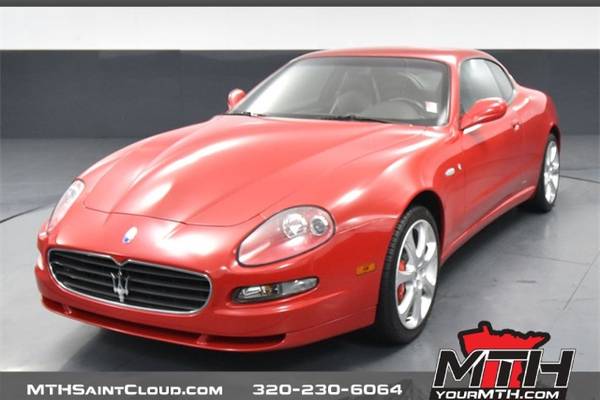
Located in St Cloud, MN / 686 miles away from Columbus, OH
2005 Maserati Coupe Cambiocorsa 4.2L V8 DOHC RWD 6-Speed Manual with Cambiocorsa Automatic-Shifting Rosso Mondiale 2D Coupe *** CARFAX CERTIFIED - NO ...
Accident Free Vehicle: Yes
Personal Use Only: Yes
History Provider: AutoCheck
Title Details: Clean Title
Salvage Vehicle: No
Frame Damage: No
Theft History: No
Lemon Status: No
Free History Report: No
Features and Specs:
12 Combined MPG (10 City/15 Highway)
Listing Information:
VIN: ZAMBC38A750018383
Stock: HB23791
Certified Pre-Owned: No
Listed since: 12-09-2023
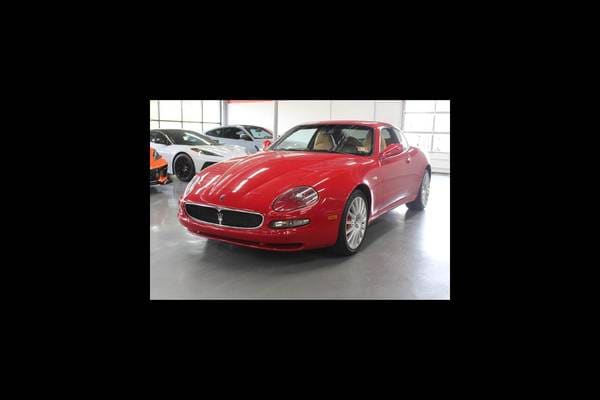
Located in Wayne, MI / 157 miles away from Columbus, OH
No Accidents Reported 18 Service History Records Personal Vehicle var vdpFacebookVehicle = { content_type: 'vehicle', // REQUIRED: DO NOT change this,...
Accident Free Vehicle: Yes
Personal Use Only: Yes
History Provider: AutoCheck
Title Details: Clean Title
Salvage Vehicle: No
Frame Damage: No
Theft History: No
Lemon Status: No
Free History Report: No
Features and Specs:
12 Combined MPG (10 City/16 Highway)
Listing Information:
VIN: ZAMBC38A420007157
Stock: C02006263
Certified Pre-Owned: No
Listed since: 09-24-2023
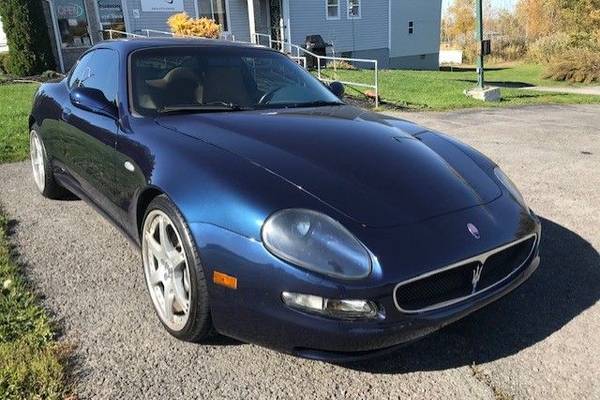
Located in Spencerport, NY / 340 miles away from Columbus, OH
2002 Maserati Cambiocorsa Coupe with only 33K Miles! Italian looks and personality, comfortable cockpit. Respect for Maserati, as it resumes building ...
Accident Free Vehicle: No
Personal Use Only: Yes
History Provider: AutoCheck
Title Details: Clean Title
Salvage Vehicle: No
Frame Damage: No
Theft History: No
Lemon Status: No
Free History Report: No
Features and Specs:
12 Combined MPG (10 City/16 Highway)
Listing Information:
VIN: ZAMBC38A020007544
Stock: FAS544
Certified Pre-Owned: No
Listed since: 07-30-2023
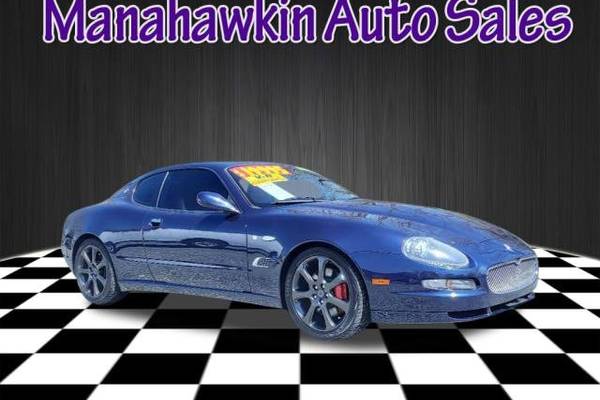
Located in Manahawkin, NJ / 457 miles away from Columbus, OH
Accident Free Vehicle: Yes
Personal Use Only: Yes
History Provider: AutoCheck
Title Details: Clean Title
Salvage Vehicle: No
Frame Damage: No
Theft History: No
Lemon Status: No
Free History Report: No
Features and Specs:
12 Combined MPG (11 City/16 Highway)
Listing Information:
VIN: ZAMBC38A050018791
Stock: 11230
Certified Pre-Owned: No
Listed since: 03-29-2024
Located in Arlington, TX / 941 miles away from Columbus, OH
4.2L V8 DOHC. Recent Arrival! Clean CARFAX. 2004 Maserati Coupe RWD 6-Speed Manual 4.2L V8 DOHC Every car come with first oil change. Hurry on down a...
Accident Free Vehicle: Yes
Personal Use Only: Yes
History Provider: AutoCheck
Title Details: Clean Title
Salvage Vehicle: No
Frame Damage: No
Theft History: No
Lemon Status: No
Free History Report: No
Features and Specs:
12 Combined MPG (10 City/15 Highway)
Listing Information:
VIN: ZAMBC38A440013897
Stock: 40013897
Certified Pre-Owned: No
Listed since: 04-18-2024
We didn’t find many exact matches. Try adjusting your filters
Edmunds has 5 Used Maserati Coupes for sale near you, including a 2004 Coupe GT Coupe and a 2002 Coupe Cambiocorsa Coupe ranging in price from $15,991 to $22,995.